

kitchen tools and accessories
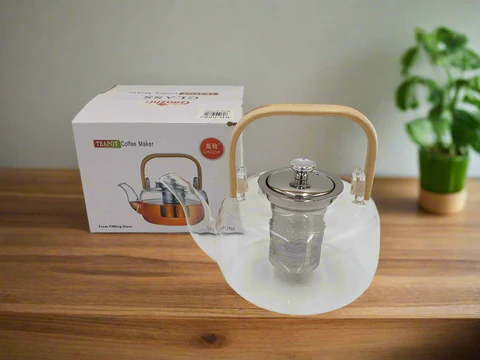
Tea Kettle
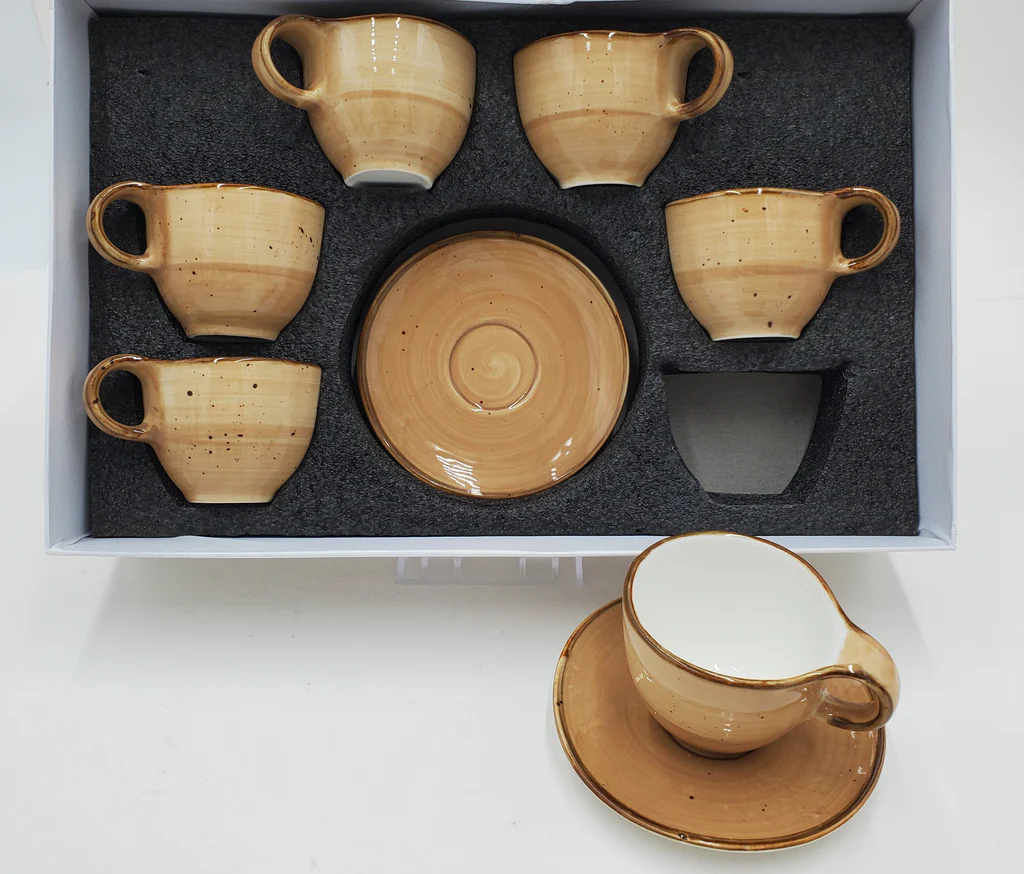
Cup Sets for the Kitchen
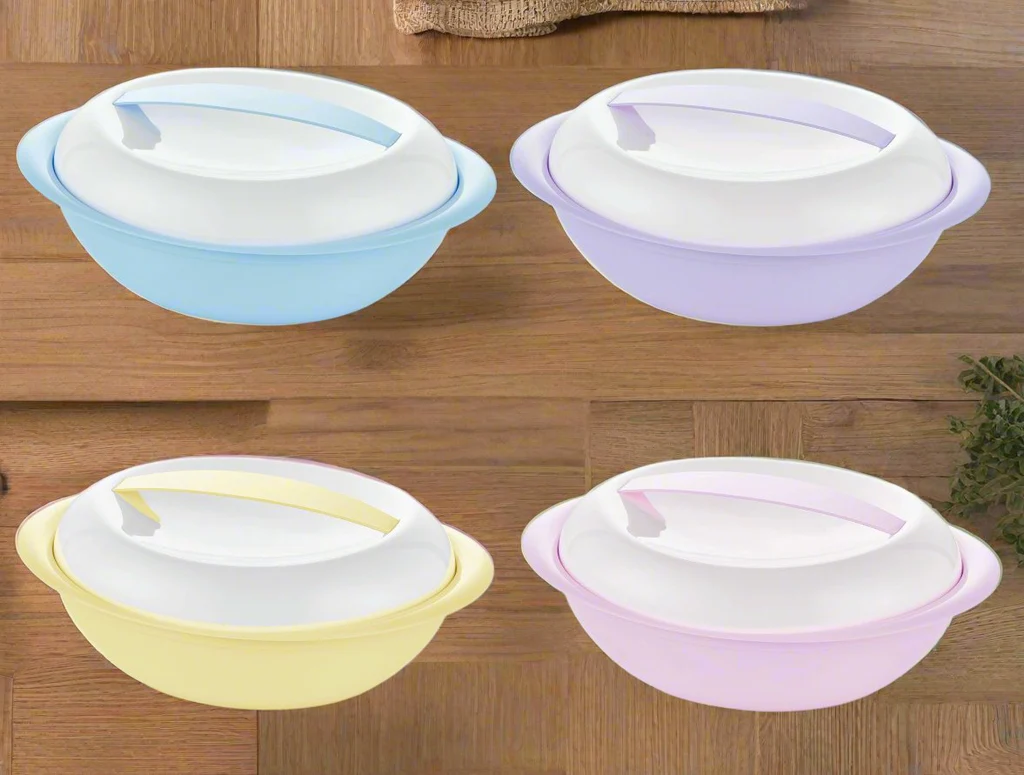
storage products

Tea Pot
A Southern California kitchen supply organization serving wholesale and retail markets through centralized distribution and physical store locations.
VERNON, CA, UNITED STATES, January 30, 2026 /EINPresswire.com/ -- Kitchen Depot, a California-based kitchen supply organization operating across wholesale and retail channels, continues to structure and expand its service offerings for kitchenware distribution in Southern California. Established as a wholesale supplier and later extended into retail operations, the company maintains
facilities designed to support both commercial procurement and individual consumer access. Its Vernon, California, location functions as a central point for wholesale activity, supporting businesses that require scalable access to kitchen tools and equipment. Through a combination of physical store locations and structured inventory sourcing, Kitchen Depot provides a framework for distributing kitchen supplies across multiple market segments, including foodservice operators, hospitality providers, and household consumers. The organization’s approach emphasizes inventory breadth, logistical accessibility, and vendor diversity rather than marketing-driven positioning, reflecting industry practices aligned with commercial supply standards.Company Origins and Operational Development
Kitchen Depot was founded in 2008 as a wholesale kitchen supply business serving supermarkets, specialty retailers, and food-related enterprises throughout Southern California. During its initial years of operation, the company focused on supplying kitchenware and related tools to business customers who required consistent access to functional products in bulk quantities. In 2014, Kitchen Depot expanded its operational scope by opening retail locations, allowing direct access for individual consumers while maintaining its wholesale infrastructure. This dual-channel model reflects a broader industry trend in which suppliers address both business-to-business and business-to-consumer demand through integrated facilities. Over time, the organization has continued to develop its sourcing relationships, inventory systems, and physical store layouts to accommodate a growing and diverse customer base. The company’s operational development has also included adjustments to warehousing practices, vendor coordination, and product categorization to support increased inventory volume and customer traffic. The evolution from wholesale-only operations to a hybrid supply structure has shaped Kitchen Depot’s role within the regional kitchen supply ecosystem.
Wholesale Infrastructure and Kitchen Tools Wholesale in Vernon, CA
The wholesale division of Kitchen Depot is centered in Vernon, California, where the company operates a facility designed to support bulk procurement and commercial purchasing requirements. The Kitchen Tools Wholesale in Vernon CA, operates and serves restaurants, catering companies, institutional kitchens, hospitality businesses, and other organizations that rely on durable kitchen tools and equipment. Wholesale customers typically engage directly with the Vernon location to review product availability, pricing structures, and purchasing terms. This approach allows procurement discussions to be aligned with specific operational needs, such as volume requirements or product specifications. Wholesale access is managed separately from the online retail platform, emphasizing direct engagement rather than automated e-commerce transactions. In addition, the Vernon facility functions as a logistical hub where inventory is organized to support high-volume movement, replenishment cycles, and consistent supply flow. This infrastructure supports customers seeking reliable access to standardized kitchen tools across repeated purchasing intervals, particularly in professional foodservice environments where operational continuity is a priority. By maintaining this structure, Kitchen Depot positions its Vernon facility as a practical resource for professional buyers navigating inventory planning and supply continuity.
Wholesale Customer Segments and Procurement Practices
Kitchen Depot’s wholesale services support a wide range of commercial and institutional customer segments. These include independent restaurants, chain foodservice operators, hotels, banquet facilities, educational institutions, catering companies, and small businesses requiring kitchen infrastructure. The Vernon wholesale operation is structured to accommodate repeat purchasing cycles, seasonal demand changes, and varying order volumes. Procurement practices emphasize accessibility and clarity, allowing customers to review product categories and availability directly through on-site consultation. This model aligns with common wholesale supply practices in the kitchenware industry, where buyers often require tactile evaluation of products prior to purchase. Additionally, the procurement framework allows customers to coordinate purchasing timelines with operational schedules, such as menu rollouts, facility openings, or equipment replacements. By offering direct access to inventory and staff support at the Vernon facility, Kitchen Depot supports informed purchasing decisions within a controlled supply environment while maintaining consistency across recurring supply needs.
Retail Operations and Public Access to Kitchen Supplies
In addition to wholesale services, Kitchen Depot operates retail locations that provide public access to kitchen tools and accessories. These stores are open to individual consumers, culinary professionals, and small business owners seeking immediate access to kitchenware. Retail operations are designed to accommodate walk-in customers and facilitate in-person product selection. Inventory displayed at retail locations includes cookware, utensils, bakeware, storage products, and tabletop items. Retail customers benefit from the same vendor network and sourcing relationships that support wholesale operations, allowing continuity between the two service channels. The presence of retail stores complements the wholesale infrastructure by extending access beyond commercial buyers, thereby supporting a broader regional customer base.
Retail store layouts are organized to allow customers to review multiple product categories within a single visit, supporting efficient comparison and informed selection. Staff availability within retail locations enables customers to ask operational questions related to product usage, compatibility, and care without relying solely on packaging information. This in-store access model supports customers who prefer physical evaluation of kitchenware prior to purchase, particularly for items where size, weight, or material characteristics influence decision-making. The retail operations, therefore, function as an extension of Kitchen Depot’s broader supply framework.
Cup Sets for Kitchen: Product Category Overview
Among the retail-accessible product categories offered by Kitchen Depot are Cup Sets for the Kitchen, which represent a segment of tabletop and beverage-related kitchenware. These products are intended for household use, hospitality environments, and foodservice operations that require coordinated drinkware solutions. Cup sets are available in various materials, sizes, and design formats, reflecting functional considerations such as durability, capacity, and stacking efficiency. Their inclusion within the broader inventory illustrates the company’s approach to addressing both practical kitchen needs and dining presentation requirements. Additionally, the range of cup sets encompasses options suitable for casual daily use as well as more formal occasions, allowing buyers to select sets that align with specific service requirements or aesthetic preferences. By integrating cup sets alongside core kitchen tools, Kitchen Depot provides customers with the opportunity to source complementary items within a single supply environment, supporting efficiency and consistency in kitchen outfitting.
Tea Pots Kettles: Functional and Tabletop Applications
Kitchen Depot also maintains a selection of Tea Pots and Kettles as part of its beverage service and tabletop inventory. This category supports both domestic kitchens and commercial foodservice settings where tea preparation and service are required. Tea pots and kettles vary in capacity, construction, and heat compatibility, allowing buyers to select products aligned with their intended usage. These items occupy a functional role while also contributing to table presentation and service workflows. Their inclusion reflects an understanding of beverage service as an integral component of kitchen operations rather than a standalone accessory. By offering tea pots and kettles alongside cookware and tools, Kitchen Depot maintains continuity across preparation and service stages.
In commercial environments, such products may be used in cafés, restaurants, and hospitality settings where consistency and durability are operational considerations. In residential contexts, teapots and kettles support routine beverage preparation and household dining practices. The availability of multiple styles and configurations allows buyers to assess options based on material composition, maintenance requirements, and service volume, reinforcing the category’s role within a comprehensive kitchen supply inventory.
Inventory Scope, Vendor Network, and Global Sourcing
Kitchen Depot’s inventory exceeds 40,000 individual products, supported by a vendor network of more than 100 suppliers. The company sources products domestically and through direct imports from international manufacturing regions, including Europe and Asia. This sourcing model allows access to a wide range of materials, production techniques, and design standards. Inventory categories span kitchen tools, cookware, storage solutions, glassware, serveware, and sanitation supplies. The breadth of inventory supports diverse customer requirements across wholesale and retail channels. Vendor relationships are structured to maintain consistent supply levels and accommodate changes in demand patterns. Additionally, Kitchen Depot implements inventory monitoring systems that track stock levels, seasonal demand trends, and product lifecycle performance. These systems help ensure that high-demand items remain available for both commercial and consumer buyers while minimizing supply chain disruptions. The combination of global sourcing, vendor diversity, and proactive inventory management enables Kitchen Depot to provide a comprehensive selection that aligns with professional kitchen operations, retail consumption, and emerging culinary trends across Southern California and beyond.
Facility Accessibility and Customer Communication
Kitchen Depot’s facilities are organized to facilitate direct customer interaction, reflecting a commitment to practical accessibility for both wholesale and retail clients. Retail stores operate during standard business hours, providing opportunities for walk-in customers to examine, compare, and select products in person, ensuring informed purchasing decisions. Wholesale inquiries are directed to the Vernon location, where customers can engage with knowledgeable staff to discuss product availability, pricing structures, and order logistics. The company maintains multiple channels of communication, including phone and email, to accommodate diverse client needs and support efficient coordination of orders, consultations, and follow-up questions. Additionally, the physical layout of the Vernon facility is designed to streamline access to key product categories, including kitchen tools, cookware, and specialized items such as Cup Sets for Kitchen and Tea Pots and Kettles, allowing customers to identify, inspect, and evaluate inventory without unnecessary delays. By emphasizing clear signage, organized display systems, and dedicated consultation areas, Kitchen Depot enhances operational transparency and ensures that both first-time visitors and long-term clients can navigate the facility effectively. This direct engagement model not only supports immediate procurement needs but also fosters longer-term relationships by providing a dependable and structured interface between the company and its customers. The combination of in-person access, structured communication channels, and facility design reflects the broader industry standard for professional kitchen supply operations, where accessibility, responsiveness, and operational clarity are critical to supporting commercial buyers and retail consumers alike.
Industry Context and Operational Relevance
Within the broader kitchen supply industry, Kitchen Depot operates under a hybrid distribution model that combines wholesale logistics with retail accessibility. This structure reflects broader industry shifts toward flexible supply systems capable of serving multiple customer profiles, including both professional foodservice operators and individual consumers. In an environment where procurement cycles vary widely depending on operational scale, seasonal demand, and market trends, hybrid models allow companies like Kitchen Depot to maintain responsiveness while ensuring inventory continuity. By maintaining both service channels, the organization aligns with evolving procurement behaviors across commercial and consumer markets, providing practical solutions for businesses that require bulk sourcing alongside smaller-scale buyers.
Additionally, the company’s focus on product diversity, vendor partnerships, and direct access to inventory reinforces operational reliability and reduces potential supply chain disruptions, a growing concern for foodservice operators and institutional kitchens. Rather than emphasizing branding narratives, Kitchen Depot’s operations are structured around practical distribution and inventory management principles common to established kitchen supply enterprises. The company’s model exemplifies a careful balance between scalability, accessibility, and inventory management, ensuring that both retail and wholesale customers can navigate complex kitchenware needs efficiently while benefiting from consistent product availability and quality standards.
About Kitchen Depot
Kitchen Depot is a kitchen supply company headquartered in Vernon, California, with retail locations serving the Southern California region. Founded in 2008 as a wholesale kitchenware supplier, the company expanded into retail operations in 2014 to provide direct consumer access to its inventory. Kitchen Depot supports both wholesale and retail customers through a network of domestic and international vendors, offering more than 40,000 kitchen-related products. Its operations serve households, foodservice businesses, hospitality organizations, and institutional kitchens. The company’s facilities and sourcing practices are designed to support consistent inventory availability and practical access across multiple customer segments.
Kitchen Depot emphasizes operational efficiency, inventory management, and product diversity to meet the evolving needs of its commercial and retail clientele. Its offerings include both everyday kitchen tools and specialty items, such as coordinated cup sets and teapots, providing comprehensive solutions that align with functional requirements and service expectations across varied kitchen environments.

No comments:
Post a Comment